Computer Industry Almanac

c-i-a.com
1997 · 1991 · ITU Region 1
An anechoic chamber's foam wall, cool light

Photo: Antenna Testing for NASA’s SkyFall Mission (PIA26759) · Wikimedia Commons

Two lines of descent

Every wireless standard is a committee decision with a date on it

802.11 was ratified in 1997 at 2 Mbit/s. GSM went live in 1991. Everything since is the same two lines of descent, argued in public, minuted, and numbered afterwards.

The piece to start with

Two megabits, and almost nobody used it

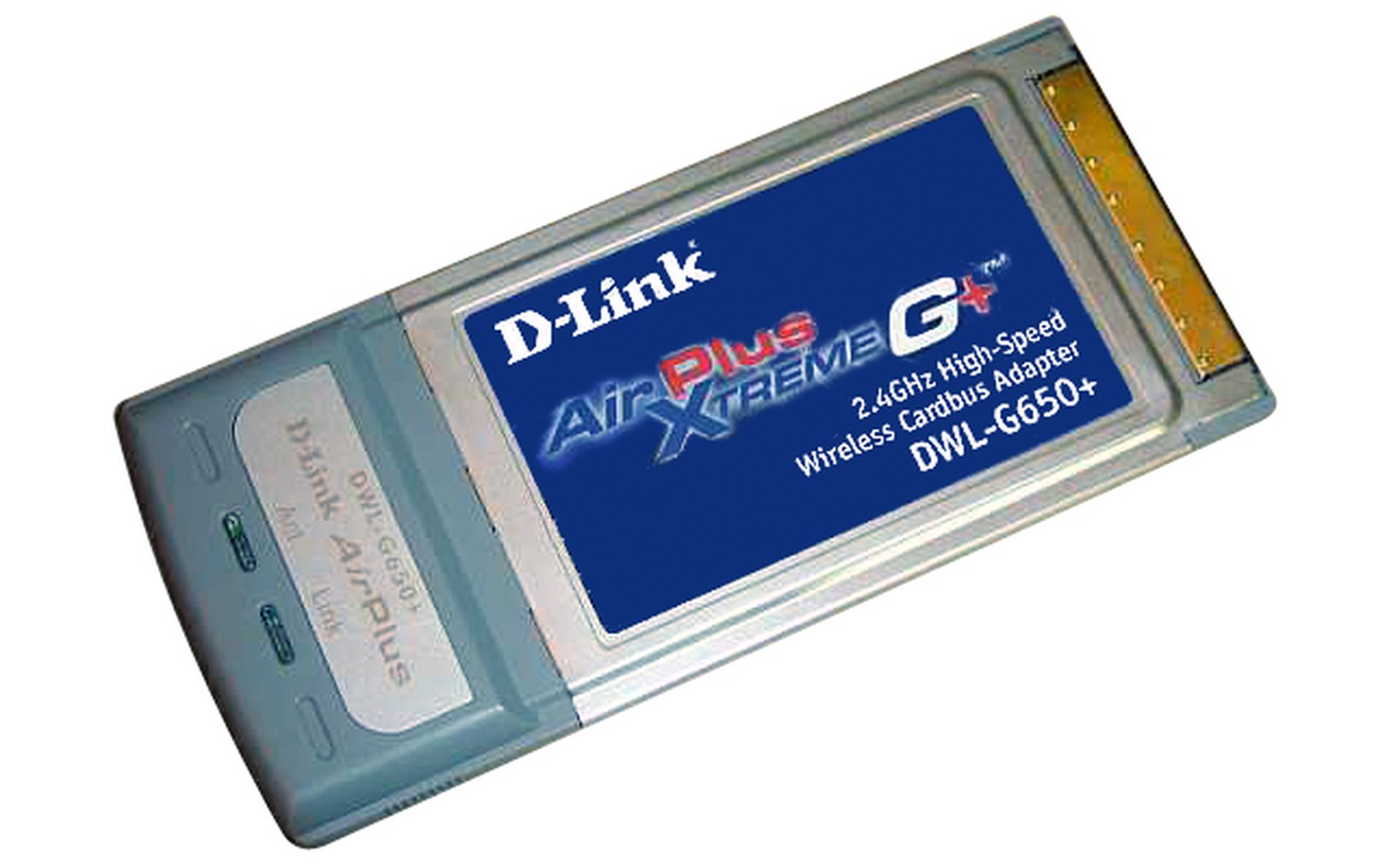
The original 802.11 was ratified in 1997 at up to 2 Mbit/s, and it took 802.11b in 1999 to make wireless networking practical.

D-Link AirPlus Xtreme G+ wireless CardBus adapter with visible gold connector pins
A 2.4 GHz Cardbus adapter of the kind that made 802.11b usable — radio, antenna and host interface on one card.
Photo: Dlink 54mbit pcmcia · Wikimedia Commons

Nine amendments, drawn to the width of the channel

In order, with dates

199719991999200320092013201920212024802.1111b11a11g11n11ac11ax6E11be2 Mbit/s1154546006.9 Gbit/s9.66 GHz46CHANNEL WIDTH, DRAWN TO SCALE — 22 MHz TO 320 MHz
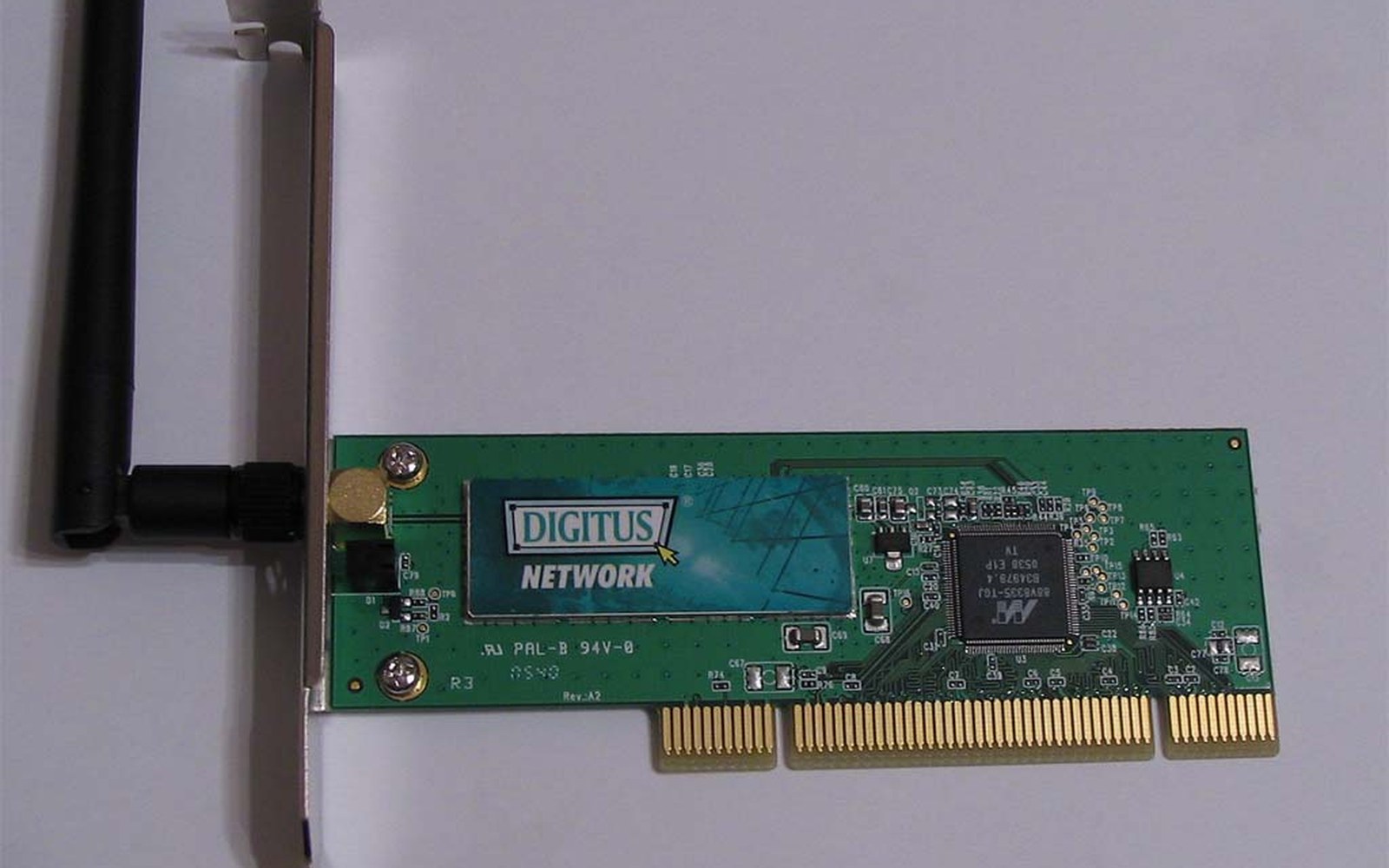
A green Digitus PCI wireless network card with an attached black antenna
A PCI wireless card — the desktop half of the market the lettered amendments were sold into.
Photo: WLAN PCI Card · Wikimedia Commons

a, g, n, ac, ax — a line that became unreadable

The lettered amendments carried real technical changes, and by 2018 the Wi-Fi Alliance renamed them retroactively because the letters had stopped communicating.

Spectrum

The same band is not the same band

The ITU divides the world into three regions with different allocations, which is why the same handset supports different bands in different markets.

Committee

A working group, not a company

IEEE 802.11 is a working group whose output is a document, and the ballot process explains why amendments arrive in the order they do.

Who actually decides

Five addresses between them set what a radio is allowed to do

KirklandAustinPiscatawayUNITED STATES
GenevaSophia AntipolisWESTERN EUROPE

Each dot is the seat of one standards body — the address its documents are balloted, published or certified from.

The IEEE 802 committee ballots in Piscataway, 3GPP is hosted by ETSI at Sophia Antipolis, and the ITU allocates spectrum from Geneva. The Wi-Fi Alliance certifies from Austin; the Zigbee and Thread work sits at Kirkland.
Geometry: Natural Earth

Elsewhere in the almanac

All twenty guides →